Registrado: 05 Oct 2005 20:42
Mensajes: 3034
|
 Juliette Nadia Boulanger [1887-1979] Nació en París. Estudió composición con Gabriel Fauré, amigo de la familia, y órgano con Chrale-Marie Widor. En 1918 dejó de componer tras la muerte de su hermana Lili, también compositora de talento. Su abuela fue Juliette Boulanger, una cantante. Su padre, Ernest Boulanger, fue profesor en el Conservatorio de París. En 1921 Nadia llega a ser profesora en el «American Conservatory of Music» en Fontainebleau. Desde 1950 fue la directora del mismo. Enseñó en la Juilliard School, en la Yehudi Menuhin School, en la Longy School, en el Royal College of Music, en la Royal Academy of Music y durante siete décadas en su apartamento, donde cada miércoles se reunían alumnos e intelectuales. Aplicando métodos y técnicas modernas, fue durante más de 70 años una de las profesoras de composición más influyentes del siglo XX, y cuenta, entre sus casi 1.200 alumnos, con varias generaciones de célebres compositores, entre los que se encuentran, Aaron Copland, George Gershwin, Leonard Bernstein, Michel Legrand, Quincy Jones o Philip Glass. Como directora de orquesta, hizo giras por Estados Unidos, Inglaterra y Europa. Fue una de las primeras en recuperar las obras de Monteverdi [en la década de 1930], y fue la primera mujer que dirigió un concierto para la Royal Philharmonic Society de Londres [1937], la Orquesta Sinfónica de Boston (1938) y la Orquesta Filarmónica de Nueva York [1939]. Juliette Nadia Boulanger [1887-1979] Nació en París. Estudió composición con Gabriel Fauré, amigo de la familia, y órgano con Chrale-Marie Widor. En 1918 dejó de componer tras la muerte de su hermana Lili, también compositora de talento. Su abuela fue Juliette Boulanger, una cantante. Su padre, Ernest Boulanger, fue profesor en el Conservatorio de París. En 1921 Nadia llega a ser profesora en el «American Conservatory of Music» en Fontainebleau. Desde 1950 fue la directora del mismo. Enseñó en la Juilliard School, en la Yehudi Menuhin School, en la Longy School, en el Royal College of Music, en la Royal Academy of Music y durante siete décadas en su apartamento, donde cada miércoles se reunían alumnos e intelectuales. Aplicando métodos y técnicas modernas, fue durante más de 70 años una de las profesoras de composición más influyentes del siglo XX, y cuenta, entre sus casi 1.200 alumnos, con varias generaciones de célebres compositores, entre los que se encuentran, Aaron Copland, George Gershwin, Leonard Bernstein, Michel Legrand, Quincy Jones o Philip Glass. Como directora de orquesta, hizo giras por Estados Unidos, Inglaterra y Europa. Fue una de las primeras en recuperar las obras de Monteverdi [en la década de 1930], y fue la primera mujer que dirigió un concierto para la Royal Philharmonic Society de Londres [1937], la Orquesta Sinfónica de Boston (1938) y la Orquesta Filarmónica de Nueva York [1939].
Last FM Stéphane Raoul Pugno [1852-1913] He was born in Paris. He made his début as a pianist in 1858, and with financial help from Prince Poniatowski he then studied at the Ecole Niedermeyer. From 1866 to 1869 he was a student at the Conservatoire, where he won a premier prix for the piano (1866), harmony (1867) and the organ (1869) and a première médaille for solfège (1867). However, as an Italian citizen, he could not compete for the Prix de Rome. He took an active part in the Commune of 1871 and in May was made music director of the Opéra. On the fall of the Commune he escaped any retribution and in 1872 became organist and in 1878 choirmaster at the church of St Eugène-Ste Cécile, a post he held until 1892. In 1874 he also became choirmaster at the Salle Ventadour. From 1892 to 1896 he was professor of harmony at the Conservatoire and from 1896 to 1901 professor of the piano there. In 1893 he resumed his concert career and was soon recognized as perhaps the leading French pianist of the time. Excelling in the music of Mozart, Chopin and Franck, which he did much to popularize, he was noted for his lightness of touch and for his extremely flexible and polished technique, demonstrated in the recordings made in 1903 for the Gramophone and Typewriter Co. in Paris. He was also an excellent chamber music player, and his recitals with Ysaÿe, which began in 1896, were celebrated. An early exponent of Wagner in France, he and Debussy provided the two-piano accompaniment for a famous concert performance of parts of Das Rheingold on 6 May 1893. He composed, mostly before resuming his concert career, a considerable number of stage works in the lighter genres and salon music, now forgotten, but created a more lasting influence through his many piano pupils. Stéphane Raoul Pugno [1852-1913] He was born in Paris. He made his début as a pianist in 1858, and with financial help from Prince Poniatowski he then studied at the Ecole Niedermeyer. From 1866 to 1869 he was a student at the Conservatoire, where he won a premier prix for the piano (1866), harmony (1867) and the organ (1869) and a première médaille for solfège (1867). However, as an Italian citizen, he could not compete for the Prix de Rome. He took an active part in the Commune of 1871 and in May was made music director of the Opéra. On the fall of the Commune he escaped any retribution and in 1872 became organist and in 1878 choirmaster at the church of St Eugène-Ste Cécile, a post he held until 1892. In 1874 he also became choirmaster at the Salle Ventadour. From 1892 to 1896 he was professor of harmony at the Conservatoire and from 1896 to 1901 professor of the piano there. In 1893 he resumed his concert career and was soon recognized as perhaps the leading French pianist of the time. Excelling in the music of Mozart, Chopin and Franck, which he did much to popularize, he was noted for his lightness of touch and for his extremely flexible and polished technique, demonstrated in the recordings made in 1903 for the Gramophone and Typewriter Co. in Paris. He was also an excellent chamber music player, and his recitals with Ysaÿe, which began in 1896, were celebrated. An early exponent of Wagner in France, he and Debussy provided the two-piano accompaniment for a famous concert performance of parts of Das Rheingold on 6 May 1893. He composed, mostly before resuming his concert career, a considerable number of stage works in the lighter genres and salon music, now forgotten, but created a more lasting influence through his many piano pupils.
Grove
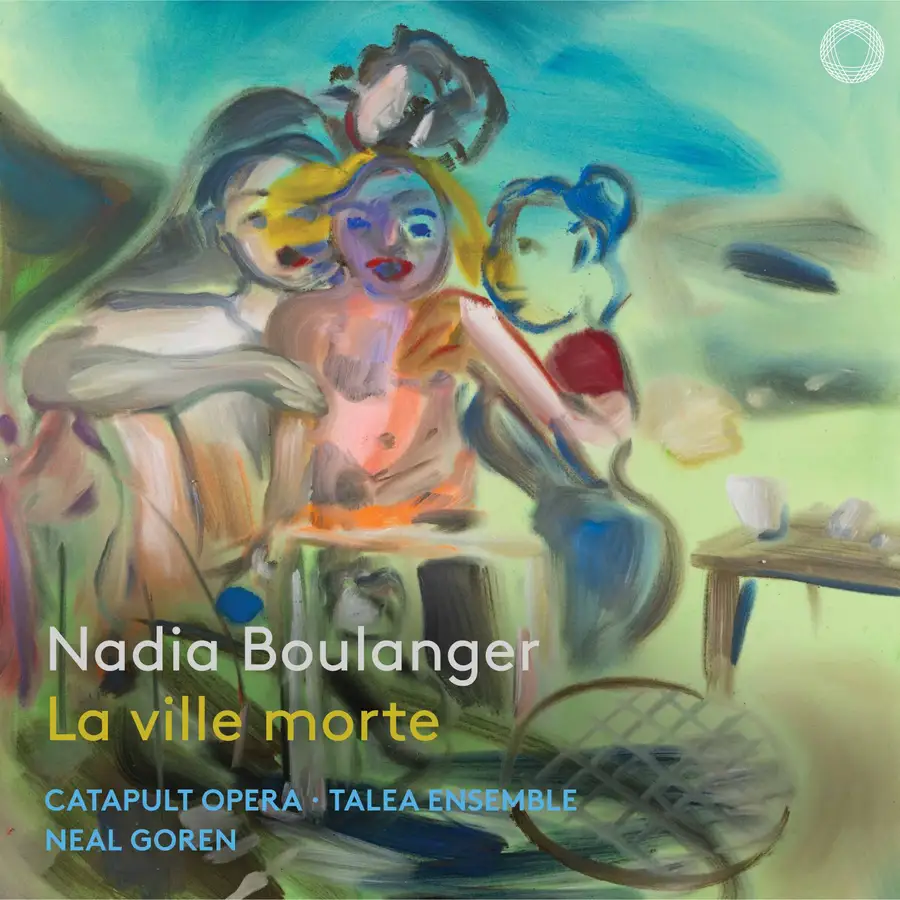
La Ville morte, ópera en cuatro actos [1909-1912, reconstruida 2005]. Non, non, Leonard! Je t'en prie!
_________________
|
|

 Identificarse
 Registrarse
 Normas
 FAQ
FAQ Usuarios